"剧场版", 共 个
-
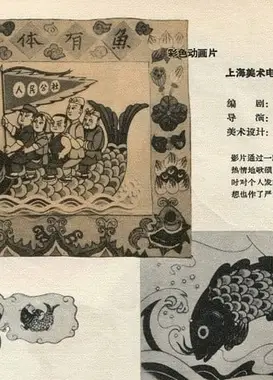
集体有余
第1集 类型:暂无一个财迷心窍的老汉,想自己钓大鱼,险些儿被大鱼吃掉。后来依靠大伙,才把大鱼捉住。
-
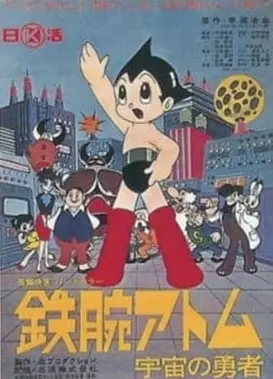
铁臂阿童木 宇宙的勇者
类型:暂无テレビシリーズ『鉄腕アトム』のなかから、第46話「ロボット宇宙艇の巻」、第56話「地球防衛隊の巻」、第71話「地球最後の日の巻」の3本を選び、そこに第1、2、3話の一部のシーンを加えて再構成した劇場映画。
-

画像
第1集 类型:暂无马老一生唯一拍摄的电影——极其珍贵的影像资料。一部当年为马季先生量身定制的真人、木偶合成电影。 你见过年轻时候的马季同木偶说相声?本片中,马季同一个长相和他酷似的木偶一同说相声。讲述了一个画家走进农村给劳动模范画像的故事。劳模精神也鼓舞了一代又一代人。
-

差不多
第1集 类型:暂无小林学习射箭,刚能把箭射到靶子上,就以为自己技术已经差不多,准备带着猎狗去打猎,爷爷喊住他,要他射中红心再说。糟糕的箭术得到乌鸦嘲笑时,小林一气之下乱箭飞向乌鸦,不想有一枚正中红心。本是瞎蒙,小林却认为箭术差不多已经到家,决定去打猎。 来到森林,小林把目标对准一头狼,哪知他射箭的水准不是差不多而是差很多,许多支箭射了出去,狼仍毫发未损。这时,狼看清了小林空有架子,开始朝他进攻。危难之际,小林爬上一棵大树,然而狼用牙齿很快锯断了大树,性命危在旦夕之际,小林听到了爷爷的声音。
-

堅々嶽夫婦庭訓
第1集 类型:暂无 -
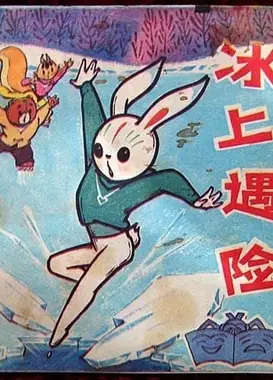
冰上遇险
第1集 类型:暂无小红鸭和小灰鸭结伴去参加森林滑雪大赛的路上,看到小熊、小兔等伙伴在湖上滑冰,因为比赛时间还早,它们决定先去瞧瞧。原来大伙在教小熊滑冰。 那边,滑雪比赛进行得正酣,小红鸭虽因救不小心困于雪中的小灰鸭落了后,但对自己取得好成绩依旧有信心;这边,小熊在大伙的帮助下,进步很快。后来,小兔为大伙表演花样滑冰,大伙正为它的精彩表演拍手叫好时,它一不留神踏破了冰落入水中,小松鼠和小獾慌忙想办法救它上岸,没成功。小熊也想帮忙,小獾怕不会游泳的它自己出事,让它快去找小鸭帮忙。小红鸭眼看要拿到滑雪比赛的冠军,听到小熊的救命呼喊时,掉头去看发生了什么事。
-
アオス
第1集 类型:暂无荣誉:1964奥伯豪森国际短片电影节优秀奖 导演点评:这部作品是基于井上洋介先生的漫画集《箱类图鉴》,由当时借住在我这里的古川taku等年轻制作人员们自由发挥的作品。采用了小野洋子女士的配乐。当时小野女士刚和一柳慧先生结婚,还开办了先锋艺术个展。我在片中便使用了小野女士的磁带, 她的配乐真是非常神秘。
-
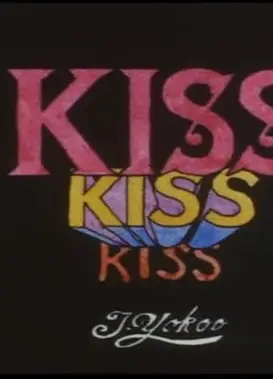
吻 吻 吻
第1集 类型:暂无 -
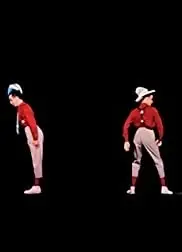
卡农
类型:暂无Perhaps the only film whose content is totally based on the musical form known as canon. The first sequence is a simple demonstration of the canon "Frere Jacques" where four cubes dance and combine with one another on a checkerboard. The second sequence show four little human-like figures dancing in space. The third and most elaborate sequence shows a human going through several strange gesticulations. Through multiple printing we realize that the man, as in the previous sequences, is part of a visual canon and is making the gestures to himself. As we hear variations on the canonic theme so too do we witness visual variations: a woman and cat enters the canon. To show the musical technique of inversion, the image of the man is printed upside down.
-
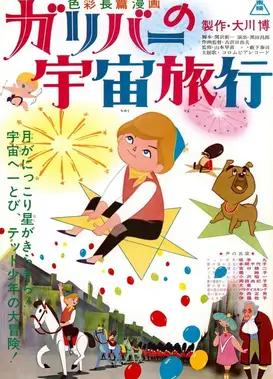
格列佛的宇宙旅行
第1集 类型:暂无東映動画の劇場用アニメ映画第8作にして、初の宇宙SF作品。孤児テッドがふとした事からガリバー博士と知り合い、仲間達と共に「希望の星」目指して宇宙旅行に出発する物語。内容はジョナサン・スウィフトの名作で、本作冒頭でも映される『ガリバー旅行記』から取っているが、目的地が「青い星」となっている事、そしてラストのどんでん返しは、モーリス・メーテルリンクの『青い鳥』を思わせる。
-
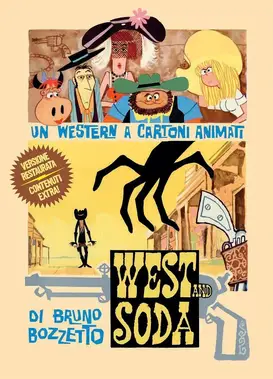
西部和苏打
类型:暂无 -
贼喜鹊
第1集 类型:暂无2006年6月在Annecy国际动画电影节上评选出的“动画的世纪·100部作品”第28名。曾获奥斯卡最佳动画短片提名
-
姑娘与大提琴演奏手
第1集 类型:暂无On a bright summer's day in the early 20th century, a young man sits on a cliff by the sea to practice his cello. Unfortunately, the young man's ferocious playing style rouses up a storm which causes the waves to sweep a young woman (who was gathering shrimp by the shore) out to sea. The heroic cellist dives in to save the woman and finds himself battling some sea creatures for posession of both the woman and his cello.
-
森林大帝 剧场版
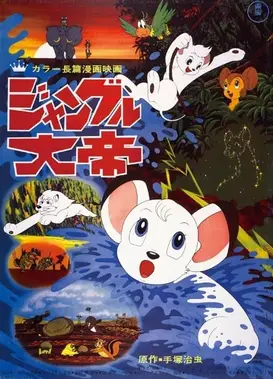
第1集 类型:暂无劇場用に製作された長編バージョンです。しかし決してテレビの再編集ではありません。テレビの絵を流用したのはオープニングの2分間だけで、本編自体は新たに作り直されました。そのさいテレビの枠内では盛り込めなかったテーマ性を充分に盛り込むことが出来た、と手塚治虫自身、その出来映えには満足していました。
-
我的绿鳄鱼
第1集 类型:暂无绿鳄鱼与同类不同的地方不仅表现在它全身都是绿色的,还有它喜爱花,这遭到同类的嘲笑。
-
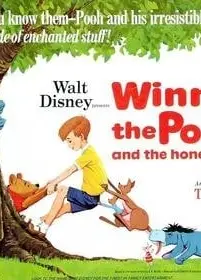
小熊维尼和蜂蜜树
类型:暂无Winnie the Pooh and the Honey Tree is a 1966 animated featurette based on the first two chapters of Winnie-the-Pooh by A. A. Milne. The film was directed by Wolfgang Reitherman, produced by Walt Disney Productions, and distributed by Buena Vista Distribution on February 4, 1966 as a double feature with The Ugly Dachshund. It was the last short film produced by Walt Disney, who died of lung cancer on December 15, 1966, ten months after its release. Its songs were written by the Sherman Brothers (Richard M. Sherman and Robert B. Sherman) and the score was composed and conducted by Buddy Baker. Winnie the Pooh and the Honey Tree was the first animated featurette in the Winnie the Pooh film series, in which it was later added as a segment to the 1977 film The Many Adventures of Winnie the Pooh.
-
摇滚舞会
类型:暂无Rock 'n' Rodent is a 1967 Tom and Jerry short (though the year of copyright is 1966) directed by Abe Levitow and produced by Chuck Jones, and featured music by Carl Brandt. The title is a pun on "rock and roll", despite the music played being jazz. Animation was supervised by Ben Washam, Dick Thompson, Tom Ray, Don Towsley and Ken Harris.
-
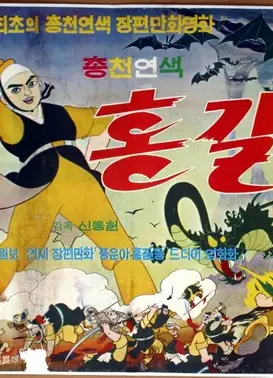
洪吉童
类型:暂无홍정승의 서자로 태어난 길동은 봉건사회제도에 반발하여 의적이 된다. 그는 활빈당을 조직하고 탐관오리들의 재물을 탈취하고 응징하며 빈민들을 구제한다. 이에 조정에서는 그를 잡아 들이려고 백방으로 노력하지만 허사였다. 마침내 길동은 율도국을 창건하고 스스로 왕이 된다.
-
杀人狂时代
第1集 类型:暂无导演点评:原版是黑白动画,内容是分好几次制作的,最后集成一部片子。其中有两个短篇在彩色版中被删去了,其中一篇是在调侃当时已经公映的电影《忧国》(本片小说原作为由三岛由纪夫作品,他也包办了制片、剧本、导演和主演)。
-
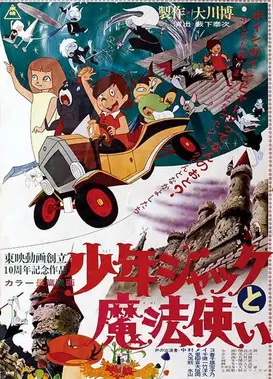
少年ジャックと魔法使い
第1集 类型:暂无北欧の吟遊詩人に歌われた、騎士が悪魔退治で武勲を立てるというイギリス13世紀の叙事詩『ベーオウルフ』をヒントにした作品。ジャック少年が仲間の動物達と共に、世界を悪魔だらけにしようと企む魔女グレンデル一味と戦い、グレンデル配下の小悪魔を元に戻そうという話。 仮題は『ふしぎな世界の大冒険』。 「東映動画設立10周年記念」と銘打って製作された作品で、本作では初期に活躍していた藪下泰次と大工原章が演出と作画監督にそれぞれ登板、当時の東映動画の本流たる作品に仕上げている。特に、偏光フィルターを駆使した特殊効果や、モダン的な背景が目を引く。 音楽は宇野誠一郎がアニメ映画(および東映動画作品)初登板。そして挿入歌の歌詞は、当時NHK総合テレビで放送中の人形劇『ひょっこりひょうたん島』で宇野と関わっていた、山元護久と井上ひさしが担当。この後山元・井上・宇野の3名は、同年7月20日公開の『ひょうたん島』アニメ版や、1968年3月19日公開の『アンデルセン物語』(アニメ映画版)、そして1969年3月18日公開の『長靴をはいた猫』に登板する事となる。なお宇野はこの後「毎日映画コンクール音楽賞」を受賞した。
-

马
类型:暂无The Horse (1967) was a wide-screen spectacle; it conveyed a never-ending energetic variation of galloping with constant changes of mobile brush strokes. The feeling of excitement in the dashing animals was immediately transmitted to the audience and the experience proved unforgettable. It won a prize at the Cracow Film Festival "for its exceptionally interesting animation technique".
-
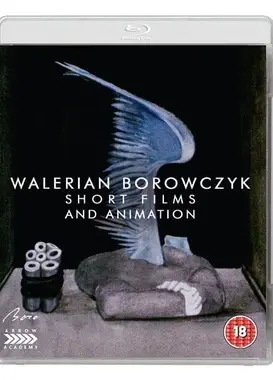
天使的游戏
第1集 类型:暂无A bizarre, semi-abstract animated film, based around the theme of angels being processed by a nightmarish factory. It has been interpreted as an allegory of the concentration camp experience and as a portrait of the industrialisation and collectivisation of the Soviet period.
-
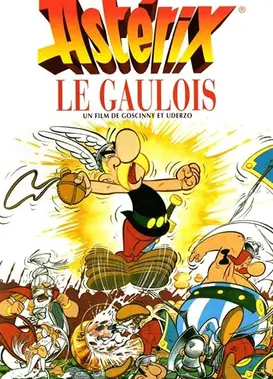
高卢勇士传
第1集 类型:暂无Gaul invaded! Asterix must save the Druid Getafix from the Romans.
-
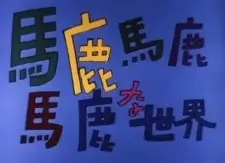
馬鹿馬鹿馬鹿な世界
第1集 类型:暂无