"TV", 共 个
-

弹珠汽水瓶里的千岁同学 第2部分
类型:校园 恋爱 上映:2026-10県内随一の進学校・藤志高校に通う千歳朔。 勉強、運動、コミュ力すべてがハイレベルで、 良くも悪くも注目を集める彼の周りには、 誰もが羨む華やかな仲間たちが集っていた。 新たなクラスで迎えた2年生の春。 朔は、ひとりの引きこもり生徒の更生を頼まれることに——。 福井を舞台に紡がれる、 どこまでも青く、どこまでも眩しい、 エモーショナル青春ストーリー!
-

某暗部的少女共栖
类型:科幻 战斗 上映:2026-10-09これは、学園都市の『暗部』に生きる少女たちの物語――。 『超能力』が“一般科学”として認知された『学園都市』。その平和の裏には表沙汰にできない任務を請け負う『暗部』組織が存在する。 『アイテム』――四人の少女で構成される精鋭部隊だ。能力者が発する微弱な力を読み取り追跡ができる滝壺理后。爆発物やトラップを用いた戦闘が得意なフレンダ=セイヴェルン。窒素を自在に操り防御を担う絹旗最愛。そして学園都市が誇る七人の超能力者の一角、麦野沈利。学園都市の暗闇を自由に生きる彼女たちが、静かに標的に狙いを定める――! 「ブ・チ・コ・ロ・シ・か・く・て・い・ね」
-

FX战士久留美
类型:恐怖 上映:2026-10念願のFX(外国為替証拠金取引)デビューを果した大学生・福賀くるみ。 その理由は、亡き母がFXで溶かした2000万円を取り戻すため。 「2000万円くらい、簡単に取り返せるようになってやる!」 そう誓った彼女が飛び込んだ先は、一瞬で天国にも地獄にもひっくり返る世界。 含み損、ロスカット、止まらない鼓動……。 それでも買いたい、売りたい、稼ぎたい! 萌智子もちこ、芽吹めぶき、やす子―― クセ強なFX戦士たちも加わり、相場はますますヒートアップ! チャートに一喜一憂する、かわいくてちょっぴり(!?)危険なマネーゲーム。 くるみたちは、この荒れ狂う世界を生き残れるのか――!?
-

新网球王子 U-17 世界杯 决赛成员选拔赛
类型:暂无 上映:2026-102024年に放送の「U-17 WORLD CUP SEMIFINAL」では、日本代表とドイツ代表による熱戦が描かれた「新テニスの王子様」。「U-17 WORLD CUP 決勝メンバー決定戦」では、決勝戦となるスペイン代表との試合に向けて、出場メンバーを決める日本代表内での戦いが展開される。
-
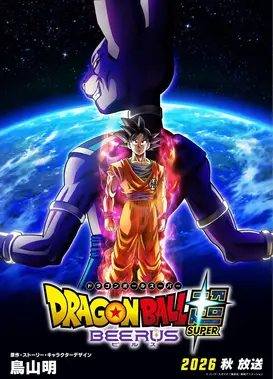
龙珠超 比鲁斯
类型:暂无 上映:2026-10鳥山明先生による世界的大人気漫画作品『DRAGON BALL』(ドラゴンボール)。TVアニメ・映画・ゲームなど様々なメディアミックスでファンを魅了しながら、モンスタータイトルとして全世界で桁外れの人気を誇る。 そして、2026年―。鳥山明先生が原作・ストーリー・キャラクターデザインを手掛けるアニメ『ドラゴンボール超』が『ドラゴンボール超 ビルス』として新たに始動! 本作では、大幅な新規カットの追加や描き直し、さらに物語の再構築を行い“エンハンスド”。最新の映像表現により、バトルシーンのさらなる臨場感と、より精密な原作再現がほどこされたエンハンスド版としてここに登場する。 魔人ブウとの壮絶な闘いから数年が経ち、地球は束の間の平和を取り戻していた。 時を同じくして、長い眠りから目覚めた破壊神・ビルス。 星々を破壊する圧倒的な力を持つビルスの目覚めを、界王や界王神たちですら畏れをもって見守っていたのだが…そのさなか、フリーザを倒したサイヤ人の噂を聞きつけたビルスは、突如悟空の前に現れるー。 かつてない力を持つビルスの襲来により、消滅の危機に直面する地球・・・破壊神と悟空たちの宇宙を揺るがす超絶バトルが幕を開ける――。
-
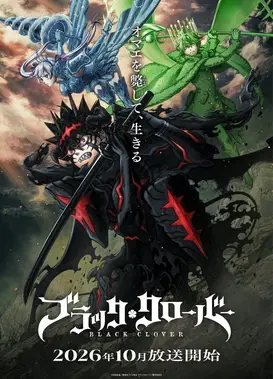
黑色五叶草 第二季
类型:暂无 上映:2026-10 -
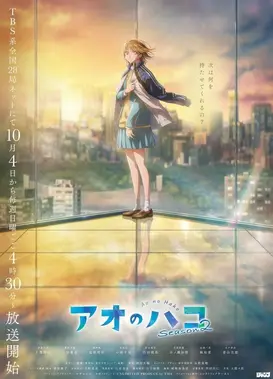
青之箱 第二季
类型:校园 恋爱 运动 青春 上映:2026-10-04 -
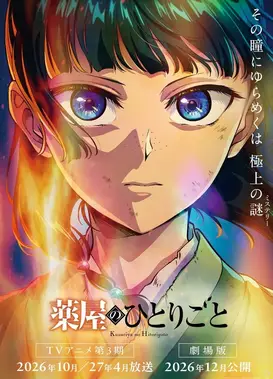
药屋少女的呢喃 第三季
类型:悬疑 推理 上映:2026-10 -
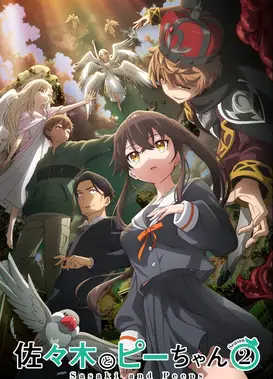
佐佐木与文鸟小哔 第二季
类型:暂无 上映:2026-10 -
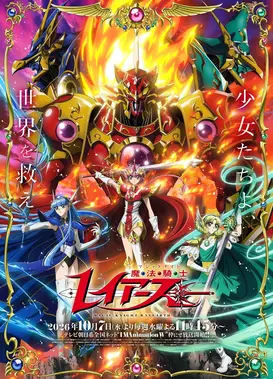
魔法骑士雷阿斯
类型:暂无 上映:2026-10-07「信じる心が力になる」 社会見学にやってきた東京タワーで突然、 異世界「セフィーロ」に招喚された獅堂光・龍咲海・鳳凰寺風。 そこで三人は、「セフィーロ」の平和と秩序を祈りの力で守ってきた 姫・エメロードが、捕われの身となり世界に危機が訪れていることを知る。 「セフィーロ」を救うべく、エメロードによって招喚された三人の少女は、 果たして伝説の「魔法騎士」となり、姫と世界を救うことが出来るのか!?
-

名侦探柯南 Episode“ZERO” 工藤新一水族馆事件
类型:暂无 上映:2026-01-03物語は、黒ずくめの組織の薬で“江戸川コナン”になる少し前――。高校生探偵・工藤新一は、幼なじみの毛利蘭と米花水族館を訪れていた。目的は、別居中の蘭の両親・毛利小五郎と妃英理を仲直りさせるための作戦「水族館ドッキリ再会ラブラブ復活大作戦」の下見。しかし、楽しい時間は一瞬で終わりを告げる。人だかりの先に漂う異様な空気に、新一は殺人事件を察知し、蘭に係員を呼ぶよう指示する。叫び声も聞こえなかったのに、なぜ事件に気づいたのか尋ねる蘭に、新一は「匂いだよ」と答え……。血の匂いを嗅ぎつけて現場へ赴き、持てる感覚のすべてを使って犯人を割り出す、緋色の高校生探偵の推理劇が始まる!そして、事件の先には、あの日へと繋がる“もう一つの下見”が……!?
-
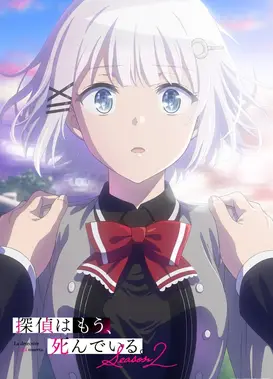
侦探已经死了。 第二季
类型:奇幻 上映:2026-10 -

在遍地都是丧尸的世界里唯独我不被袭击
类型:暂无 上映:2026ノクスノベルスより刊行されているゾンビパニックアクション『ゾンビのあふれた世界で俺だけが襲われない』(著:裏地ろくろ/イラスト:サブロー/フロンティアワークス刊)。小説・コミカライズ合わせてシリーズ累計38万部を突破している本作のTVアニメ化され、AT-Xで放送されることが決まった。ある日、突如として街中にゾンビがあふれ、次々と人々が襲われるなか、なぜか自分だけゾンビに襲われない体質を得た武村。ゾンビ映画であればその能力を駆使し、ゾンビに立ち向かいそうなところを、武村は欲望の赴くままの行動に出る……。斬新な設定と怒涛の展開で“生”と“性”の本質が描かれる。
-

青之芦苇 第二季
类型:运动 上映:2026-10-04 -
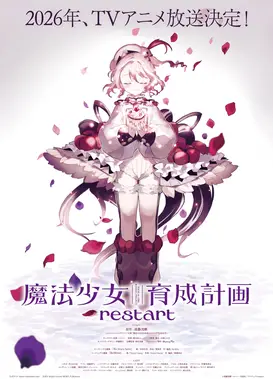
魔法少女育成计划 restart
类型:百合 上映:2026-10 -
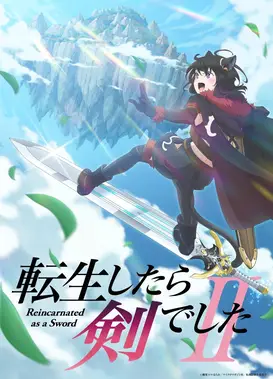
转生成为魔剑 第二季
类型:战斗 冒险 异世界 萝莉 上映:2026-10「名無し」の奴隷として虐げられていた黒猫族の少女フランは、 「知性を持つ武器」である剣――師匠と出会い、 その装備者となった。 城砦都市アレッサの冒険者ギルドに所属したフランは、 数々のクエストをこなしながら冒険者として名を上げていく。 強さの果てにある「進化」を目指すフラン。 彼女の「願い」を叶えたい師匠は、次なる目的地を港町ダーズと定めた。 その道中、天空に浮かぶ「浮遊島」を発見した師匠とフランは、 浮遊島の完全攻略を目指す死霊術師ジャン・ドゥービーと出会う。 彼の依頼を受け、ともに浮遊島の迷宮に挑むことになるのだが……。 そこは死霊魔獣が蠢く凶悪な迷宮だった! 猫耳少女と親バカな剣の新たな冒険が始まる!!
-
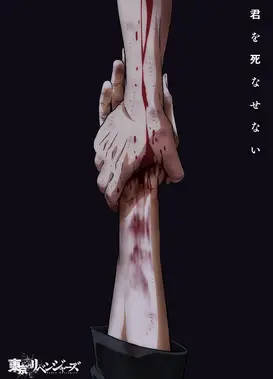
东京复仇者 三天战争篇
类型:暂无 上映:2026-10-02東京卍會と天竺の抗争は凄惨な結果で幕を閉じた。 それぞれが悲しみを抱えながら次の道へ進む中、 花垣武道(タケミチ)は死亡した稀咲鉄太に畏怖の念を抱く。 そして、タイムリープでの一部始終を聞いた佐野万次郎(マイキー)は、ある決断をする。 戦いを終えて過去を離れたタケミチは、ついに恋人・橘日向(ヒナタ)が生きている最高の未来に辿り着く。 しかし、そこに“彼”の姿はなかった。 3チームが覇権を争う “三天時代”となった世界で、 最後のリベンジが始まる!
-
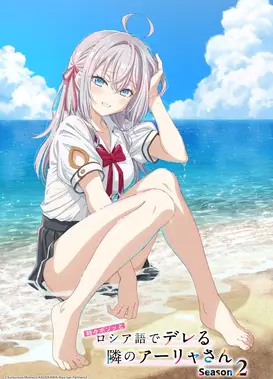
不时轻声地以俄语遮羞的邻座艾莉同学 第二季
类型:校园 恋爱 日常 上映:2027 -
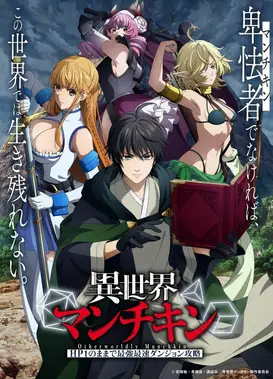
异世界玩家 ー用HP1进行最强最快的迷宫攻略ー
类型:战斗 异世界 上映:マンチキン── それはルールを駆使し、時にはその穴をも意図的に利用して、 自分に有利なプレイをするTRPG(テーブルトークRPG)プレイヤー。 TRPG好きのありふれた高校生「桐原行人(ユキト)」は、 最愛の妹「佐奈」とTRPGに興じている最中、 突然異世界より現れたモンスターに襲撃され、理不尽な死を迎えてしまう。 異世界〈エバーワールド〉の女神「ネフィリア」から 転生の機会を与えられたユキトは、偶然にもネフィリアの所有する 〈世界書(ワールド・マスターズ・ガイド)〉に佐奈の記述を発見。 大切な妹を異世界で探すために〈世界書〉を奪って転生するのだった。 「マンチキンにならなければ、この世界では生き残れない」 マンチキン──それは過酷な異世界で生き残るための術。 強靱な意志と〈ダイス〉が運命を決めるTRPG冒険譚、開幕!
-

兔子,等着瞧!
第18集 类型:暂无 上映:1969本剧的主角是一只贪婪狡猾的大灰狼(阿纳托利·帕潘诺夫 Anatoli Papanov 配音)和一只聪明伶俐的小兔子(克拉拉·鲁米扬诺娃 Klara Rumyanova 配音)。大灰狼一心想要吃掉小兔子,但是聪明的小兔子总是能巧妙地化险为夷。每集都是一个新的故事,大灰狼与小兔子斗智斗勇、互相捉弄,剧情结构类似于华纳的动画片《猫和老鼠》。 本剧首播于1969年,片名“兔子,等着瞧!”是来自于大灰狼每次失败都会说的台词。
-
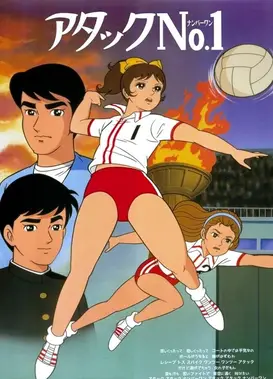
排球甜心
类型:暂无 上映:1969-12-07富士見学園中等部に転校してきた主人公・鮎原こずえが、不良グループを率いてバレーボール部に挑戦。力が認められてキャプテンとして迎えられる。鮎原こずえと仲間達は様々な試練を乗り越え世界を目指す。
-

圣诞雪人
第1集 类型:暂无 上映:1969-12-07A living snowman and a little girl struggle to elude a greedy magician who is after the snowman's magic hat.
-
明日之丈 样片
类型:暂无 上映:1969-11-06虫プロダクションに所属していた出崎統と丸山正雄が原作を気に入り、原作の絵を拡大コピーして個人的にパイロットフィルムを制作したことに端を発し、これがフジテレビプロデューサーである別所孝治の目にとまり、正式な企画として立ち上げられることとなった
-
姆明
第65集 类型:暂无 上映:1969-10-051969年10月5日 - 1970年12月27日、フジテレビ系列にて放送。企画製作は瑞鷹エンタープライズ。アニメーション制作は第1話から第26話まで東京ムービー(Aプロダクション)。第27話以降は東京ムービーが赤字のために急遽降板したと言う事にしたが、本来は、次のアニメーションである‘ルパン三世’の製作が決まっており、初めからそこまでで交代する契約であったそうである。なお、東京ムービー制作の版では、ムーミンらのキャラクターはマシュマロのような柔らかさをもって描かれていたが、虫プロダクション制作の版では、絵が固く(原作に近く)なってしまったと、1980年頃に作画監督の一人大塚康生が著書「作画汗まみれ」で述べている。 作風は、虫プロダクション制作に移ってからメルヘン度が高まったという。東京ムービー制作の版は、ムーミンに月面旅行をさせる(同年のアポロ11号の月面着陸の影響?なお、月面にはウサギがいるという設定)など、ユニークな翻案が多い。 雪室俊一によれば、スナフキン・スノーク他の、原作にないこのアニメ独特のキャラクターの性格は、山崎忠昭の考案によるものであるという。