"连载动漫", 共 个
-
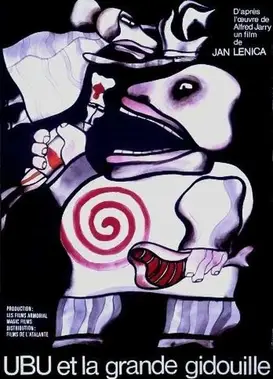
Ubu et la grande Gidouille
类型:暂无 上映:1979An extraordinary cut-out-and-move adaptation of all three of Jarry’s Ubu plays. The characters are caricatured almost to abstraction- in the opening scene Ma Ubu is even depicted as a bug, Pa Ubu has a massive jaw and a microcephalic brain case.
-

打猎
类型:暂无 上映:1979熙来相往的都市街头,男孩似不属于这个世界一般,静静地盯着橱窗内一张画有梅花鹿的画像。后来,他走进店里,知晓这是一家售卖猎枪的店,店主正热情地为一位客人介绍一款猎枪。男孩将店里陈设一一看过,目光落在一副画上:一棵光秃秃的大树下,猎人手握猎枪脚踩被他击毙的雄狮,冲着镜头得意地笑。 男孩呆住了。想象中,男孩背着猎枪走进森林,遇见各种各样的动物,它们都在各自的世界里自由自在地生活着,男孩被眼睛所见的种种打动,嘴角洋溢快乐的笑容。突然,他呆住了,一棵光秃秃的大树下,一个猎人正用猎枪对准一头茫然不知的雄狮。男孩举起了手中的猎枪。 影片中使用了巴赫的音乐。
-
太阳石
类型:暂无 上映:1979由录像艺术家艾德·艾姆许维勒导演的历史第一部数字计算机动画录像作品。
-
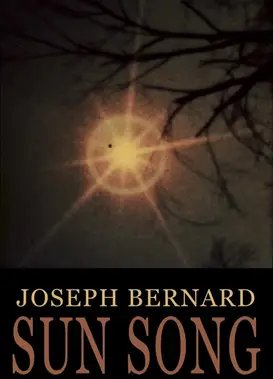
Sun Song
类型:暂无 上映:1979A short silent film by Joseph Bernard.
-
Exodus Towards Light
类型:暂无 上映:1979 -
![Matrix [First Dream]](https://img.haixingdmx.com/pic/36aed94b8df9e79bf5ea1654d202af03.webp)
Matrix [First Dream]
类型:暂无 上映:1979-09-11A film of multiple superimpositions, utilizing the images of Solariumagelani (Summer Solstice, Autumnal Equinox, and Winter Solstice) (1974) overlaid with the hexagonal shapes that recur throughout Frampton’s Magellan cycle.
-

恐慌
类型:暂无 上映:1979-08-16一个科技文明捕获了三只智慧蝾螈生物进行实验。实验出了差错,蝾螈生物在人类城市中肆虐。
-
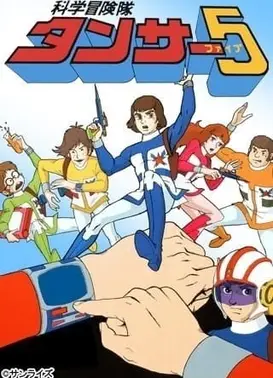
科学探险队
类型:暂无 上映:1979-07-27传说地球有3794个谜,为了知道谜团的真相。国际联盟就在1999年成立科学探险队。科学探险队是有五个人,成员都具备了勇气、个人能力及科学知识。他们开各种机器,包括时光机,调查世界各地的古代遗迹以及怪现象的真相。 这五个角色的其中一位男队员后来在一次冒险中死去。之后国际联盟派出另一位后补男队员加入,头盔上的花纹是草绿色的。这位队员由于是后来加入,因此经常与其他队员有争拗。
-
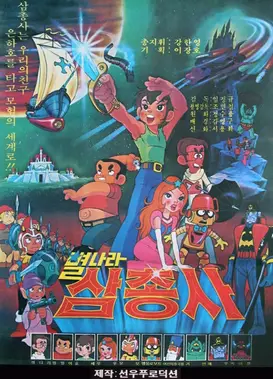
星之国三剑客
类型:暂无 上映:1979-07-21평범하거나 힘든 현실에서 벗어나 모험을 꿈꾸는 아이들은, 한여름밤의 꿈처럼 다가온 우주선을 타고 모험의 세계로 나아간다.
-
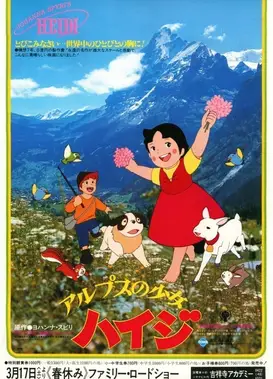
阿尔卑斯山的少女海蒂 剧场版
类型:暂无 上映:1979-03-17电视动画播出五年后,在电影院放映的剧场版,其中包括一些角色的不同配音。 ヨハンナ・スピリの原作『アルプスの少女ハイジ』を長編アニメーション化したもので、物語構成は松木功、脚本は吉田義昭、大川久男、佐々木守の共同執筆、演出は高畑勲、撮影はトランスアーツがそれぞれ担当している。DVDタイトル「アルプスの少女ハイジ 劇場版」。 幼くして両親と死に別れた五歳の少女ハイジは、これまで育ててくれたデーテ叔母さんが、フランクフルトで働くことになったため、ハイジの生まれ故郷、デルフリ村のアルムの山小屋に一人で暮らしているおじいさんに引きとられることになった。アルプスで迎えたハイジの初めての夜は、星が空いっばいにまたたいていた。翌朝、ハイジはヤギ飼いの少年ペーターと山に登った。暫くして、ペーターのおばさんは、とてもみすぼらしい小屋に住んでいて、それに目も見えないと聞いたハイジはとても悲しくなって、おじいさんに頼んで小屋をきれいに修繕してもらうのだった。それから三年たった春、デーテ叔母さんがやって来て、ゼーゼマンという金持ちの家で、一人娘の相手を探しているのでハイジを紹介するというのだった。ハイジは気が進まなかったが、叔母さんの説得で仕方なく承諾した。ゼーゼマン家の一人娘クララは身体が弱いうえに足が不自由で車いすに乗っている。クララは金持ちの娘にありがちなわがままなところもなく、ハイジとすぐに仲良しになった。最初は楽しく遊んでいたハイジだが、次第にアルプスが恋しくなり、とうとう病気になってしまった。ゼーゼマン氏はハイジをアルプスに帰し、悲しむクララに、「もし本当にハイジを愛しているなら、帰してやるのがいちばんだよ」と優しく説得するのだった。アルプスに帰ったハイジは、たちまち病気も回復し、もとの元気な身体になった。夏が訪れると、ハイジにすばらしい客がやって来た。クララが来たのだ。アルプスの自然がクララの身体に影響を与えたのか、クララに歩きたい意欲が湧いてきた。「クララ、きっと歩けるようになるわ!」ハイジの励ましに、クララはとうとう長く苦しい闘いを勝ちぬいた。夏が終ってゼーゼマン氏とクララのおばさんがクララを迎えにやって来たとき、二人が見たものは、緑の大地を歩くクララの思いがけない姿だった。これがあの、顔の青白い、車いすに乗ったわが娘なのだろうか!二人は言葉もなく、クララを抱きしめるばかりだった。そして、山を下ってゆくクララに、ハイジはいつまでも手を振りつづけるのだった……。
-
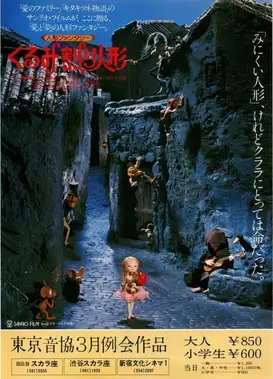
胡桃夹子幻想
类型:暂无 上映:1979-03-03チャイコフスキーのバレー組曲を基に人形アニメーションで映画化したもので、脚本は辻信太郎、監督は中村武雄、撮影は大谷文夫、杉田安久利、高森菱児がそれぞれ担当。 十九世紀のドイツ、ニュールンベルクの上流家庭の一つ、シュタールバウム家のクララの寝室。クララは三年振りに帰ってくる大好きな従兄弟のフリッツを待っていると、ドロッセルマイヤーおじさんが部屋に入って来た。クララはおじさんの持っていたくるみ割り人形がとても気に入り、ムリヤリ貰ってしまう。それから何時間か過ぎ眠っていたクララは異様な物音で目をさました。何と、ネズミがくるみ割り人形を連れ去ろうとしている。クララが追いかけると、ネズミたちは人形をおいて大時計のなかに逃げ込んだ。しかし、ホッとするクララの前に、恐ろしい双頭の白ネズミ、マウゼリンクス夫人が立ちはだかり、「その人形をお渡し!」と迫ってくる。後ずさりするクララはテーブルの花びんを落とし、その上に倒れて気を失ってしまう。意識が戻るとクララはベッドの中に、人形はどこにも見あたらない。「あれは夢だったのかしら……」でも夢ではなかった。クララの腕に、花びんで切った傷あとが。クララは恐る恐るネズミの逃げ込んだ大時計の中へ入って行く。大時計の闇の中には、マウゼリンクス夫人の呪いにかけられた「人形の城」があった。夫人は人形の城の王女マリーを長男の嫁にしようとしたがかなわず、はらいせにマリーを醜いネズミに変え眠らせてしまった。皇帝は呪いを解くための会議を世界中の名士を招いて開くが、妙案もでない。一方、クララはジプシー占いから、呪いを解くための真珠の剣を手に入れる。大好きなフリッツとソックリな近衛隊長のフランツはその剣を持ってネズミ城に襲撃をかける。マリーは元の姿に戻ったが、今度はフリッツが醜いくるみ割り人形に変えられてしまう。救われたマリーは、醜い人形のフリッッに感謝どころか、床に技げすててしまう。哀しみにくれるクララはドロッセルマイヤーによくにたおじさんに、人形に本当の愛が注れたとき呪いは解れると聞く。そこへ、マウゼリンクス夫人の息子のシャルルがネズミ族の仇とくるみ割り人形に迫る。「やめて!かわりに私を……このくるみ割りさんを本当に愛してるの」クララは思わずそう叫ぶ。呪いが解けたフランツを残し、シュヌルルの攻撃を受けたクララは、暗闇の中をどこまでも落ちていく……。クララが目をさますと、花束を抱いたフリッツがそこにいた。
-
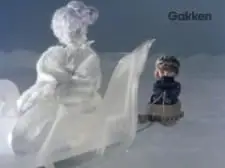
冰雪女王
类型:暂无 上映:1978改编自安徒生的《冰雪女王》的定格动画。
-
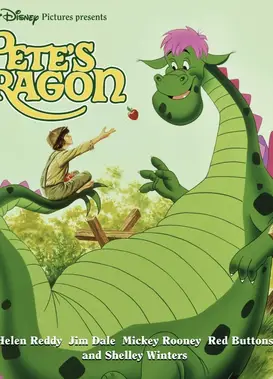
神龙帕夫
类型:暂无 上映:1978A friendly dragon comes to help a non-communicative boy overcome his debilitating fears.
-
Burial Path
类型:暂无 上映:1978The film begins with the image of a dead bird. The mind moves to forget, as well as to remember: this film graphs the process of forgetfulness against all oddities of remembered bird-shape.
-
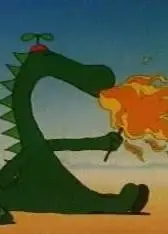
喷火龙
类型:暂无 上映:1978Good animated short film about a corporate guru who settles in Blowhard, a city where there's a lot of dragons, but no electricity or heat. But our man has a plan: use the dragons to produce power! And so a new utilities is born, Consolidated Dragon! But the dragons are a non-renewable source of energy. Soon, black-outs are inevitable. And those environmentalists who want to save the dragons! This is not good for Consolidated Dragon's profitability. Oh! but they forgot about wind power! Great way to look at our society and its materialistic way of life. Made in 1978 but still of its time.
-
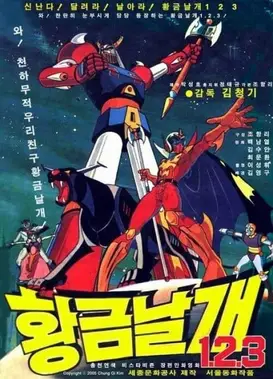
黄金之翼1.2.3
类型:暂无 上映:1978우주전함 녹색상어를 폭파하라 정의용사 황금날개 1.2.3!
-
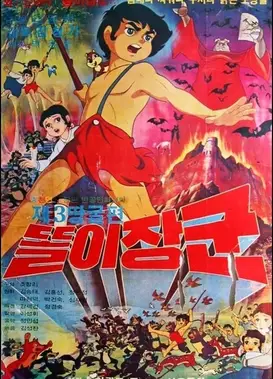
똘이장군 제3땅굴편
类型:暂无 上映:1978 -
りすのパナシ
类型:暂无 上映:1978 -
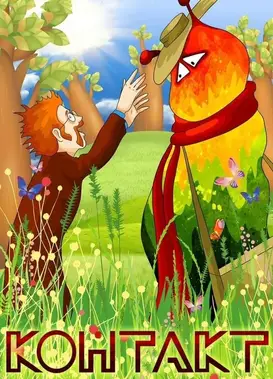
异太空接触
类型:暂无 上映:1978漫步在田野上的农夫与太空来客相遇了:只要有善意,总是可以互相理解的。 面向青少年及成人观众。
-
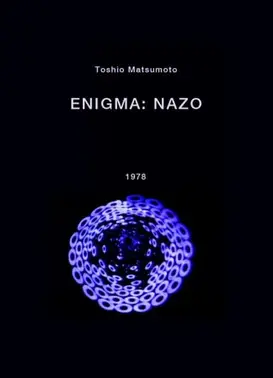
Enigma (謎)
类型:暂无 上映:1978-07-12Enigma 是 White Hole 的一个更华丽的版本,各种各样精心设计的纹理(通常由图像符号和宗教符号组成)向屏幕中心汇聚。
-
雪の日のたより
类型:暂无 上映:1977 -

鹤之羽
类型:暂无 上映:1977根据日本童话改编。能织出精美织物的女鹤,被人的贪欲而摧毁。这是一个关于金钱、权力的致命力量的童话。 面向全年龄层的观众。
-

肖像
类型:暂无 上映:1977 -
虹に向って
类型:暂无 上映:1977