"连载动漫", 共 个
-
Byl sobie raz...
类型:暂无 上映:1957 -
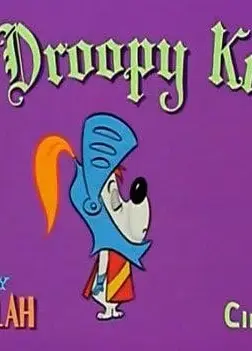
骑士德鲁比
类型:暂无 上映:1957在很久很久以前的中世纪,一座城堡中住着国王和他的子民。但是这个国家的人民并不安康,因为在城堡附近的山上,住着会喷火的可怕恶龙,它时刻威胁着王国和人民的生命。为了消灭恶龙,国王发出英雄榜,只要有人能够降服恶龙,那么就可以娶国王美丽的女儿为妻。所谓重赏之下必有勇夫,骑士布恰罗特和德鲁帕洛特勇敢承担起讨伐恶龙的重任。在这一路上,狡猾的布恰罗特想尽各种办法阻止德鲁帕洛特的攻势,可是他的战斗力又完全不是恶龙的对手。与此同时,德鲁帕洛特找尽一切机会攻击恶龙,怎奈他的战斗力又太过低下,恶龙完全不将其放在眼里……
-
黑樵夫和白樵夫
类型:暂无 上映:1956 -
To Your Health
类型:暂无 上映:1956An animated short outlining the problems with alcohol consumption.
-
节奏
类型:暂无 上映:1956An animated film by Norman McLaren and Evelyn Lambart that endows arithmetic with lively humour. The screen becomes a numerical free-for-all as digits meet in playful encounter, add and subtract, jostle, attack and elude one another.
-
How to Have an Accident in the Home
类型:暂无 上映:1956The spirit of Fate demonstrates how carelessness is responsible for much of Donald Duck's misfortune at home.
-
幽霊船
类型:暂无 上映:1956 -
会摇尾巴的狼
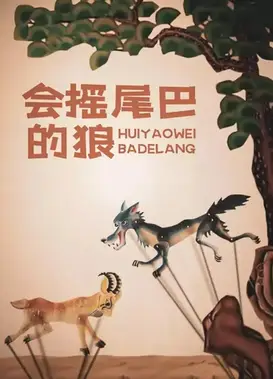
类型:暂无 上映:1955讲一只掉进陷阱的狼,用尽欺骗和威胁的手段,企图让老山羊救它。但是,老山羊从它的花言巧语和硬尾巴上认出它是一只凶恶的狼,而没有受骗
-
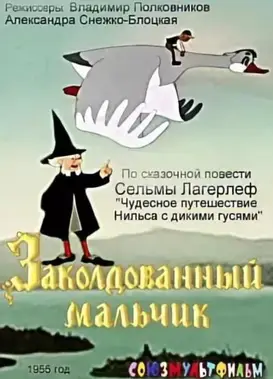
被施了魔法的男孩
类型:暂无 上映:1955贪玩调皮的尼尔斯有一天捉弄了一只小妖精,结果反被小妖精施了魔法,变成了拇指大的小人儿。为了恢复原样,他骑在家鹅马丁的脖子上,跟随着雁群展开了一段奇妙的旅行…
-
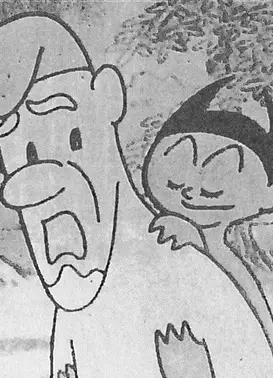
音部妖怪
类型:暂无 上映:1955-12-26『フクちゃん』の作者・横山隆一が原作を提供し、さらに自らのアニメスタジオ・たたみプロで企画製作した25分のカラーアニメ。 風の神が風袋を地表に落とす。その袋が落ちてできた穴からは可愛い緑の赤ちゃんお化けが生まれた。お化けは通りがかりの老いた鍛冶屋の背中におぶさる。離れないお化けに弱る鍛冶屋だが、しだいにこの赤ちゃんお化けが可愛くなってくる。だがそこのお化けショーを生業とする連中が登場。強引に赤ちゃんお化けを連れていこうとするが……。 横山は自宅の一角をアニメ製作所に使用。このたたみプロが、少しのちに戦後アニメ界に名を残すおとぎプロに改組される。なお本作は一般公開はされず、大仏次郎、大岡昇平、三島由紀夫、小林秀雄、永井竜男、高峰秀子らの文化人、大物俳優などを迎えた、文春会館の特別上映会で一度だけ披露された。
-
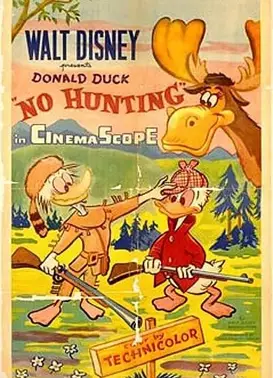
禁止狩猎
类型:暂无 上映:1955-01-14这一天,唐老鸭(克拉伦斯·纳什 Clarence Nash 配音)正惬意地享受他丰盛的早餐,墙上挂着一幅他老祖先(Bill Thompson 配音)的照片。照片中,祖先雄赳赳气昂昂,手持猎枪,脚踩着一头大野牛的身上。这个经验丰富的老猎手,眼神中透着敏锐和坚毅。当然,这一切对唐老鸭来说是如此遥远,而且也似乎全然不相关。他悠闲地翻开报纸,看到一则新闻,原来狩猎的季节明天就要来到了。得知这个消息,祖先的灵魂再也无法安然待在画上,他挣脱画布的束缚,钻进唐老鸭的体内,带着孙子并肩前往狩猎场。 时间一分一秒地艰难流逝。清晨,唐老鸭吹响狩猎的号角,一时间枪声大作,炮弹横飞,碧绿青山瞬时间化作焦土……
-
花と蝶
类型:暂无 上映:1954花畑で突然の雨に見舞われた白・赤・黄の仲良しの蝶たち。3匹は一緒に雨宿りできる場所を探すが、白百合は白い蝶のみ、紅花は赤い蝶のみ、黄色のチューリップは黄色い蝶のみしか受け入れようとしない。羽の色が違う蝶は、花びらの中に入れられないというのだ。3匹は雨の中、途方に暮れる…。 コニカラーで撮影された大藤信郎のセル・アニメーション。
-
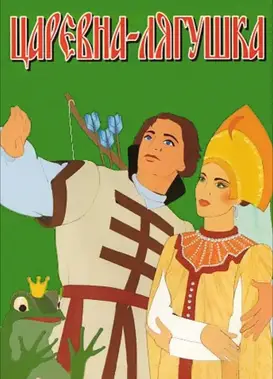
青蛙公主
类型:暂无 上映:1954改编自俄国民间故事《青蛙公主》,于阿根廷第2届马德普拉塔国际电影节上获得银翁布树奖。 故事梗概: 古时候,有个国王,他有三个儿子。当他们长大成人了,国王把他们召集到一起,对他们说: “我心爱的儿子们,趁着我尚未年老,我想给你们娶亲,想看到你们的孩子们,我的孙子们。” 三个儿子一齐回答父亲:“好的,爸爸。不过您想给我们娶谁呢?” “孩子们,这样吧,你们各取一枝箭,到空旷的田野去把箭射出,箭落之处,就是你们的命运所在。” 三个儿子向父亲深深一鞠躬,各取一枝箭,来到空旷的田野,拉紧弓,射出了箭。 ……
-
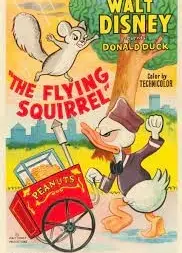
the flying squirrel donald
类型:暂无 上映:1954Donald is pushing his peanut cart through the park when a flying squirrel drops in. Donald gets him to help tie his sign to a tree by promising a peanut, but when it turns out to be a bad nut, Donald won't make good, and the battle with the squirrel is on.
-
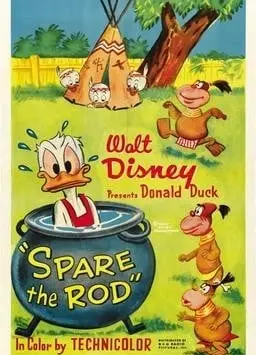
Spare the Rod
类型:暂无 上映:1954唐老鸭的侄子们总是在玩耍而不是做家务。唐老鸭打算惩罚他们,但“儿童心理学的声音”说服他一起玩。当他们砍柴把他绑在火刑柱上烧死时,这种方法很有效。然而与此同时,从马戏团逃出来的三名俾格米食人者正准备用一锅水对唐纳德做同样的事情……
-
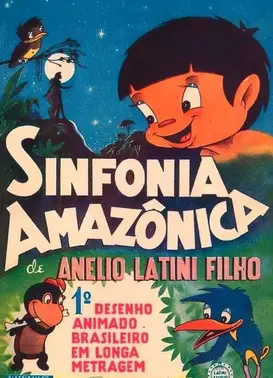
亚马逊交响曲
类型:暂无 上映:1954Sinfonia Amazônica, or Amazon Symphony, was Brazil’s first animated feature-length film, produced entirely by Anélio Lattini Filho over five years and finished in 1951. Like Disney’s Fantasia, it tells several folk stories over orchestral music.
-
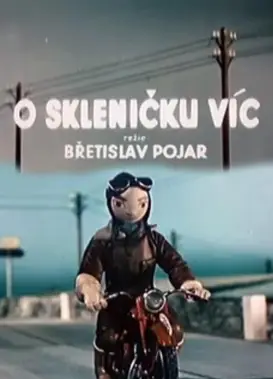
一杯太多
类型:暂无 上映:1954英俊帅气的摩托车手行驶在乡间的公路上,虽然有时按捺不住赛车的冲动,但他始终谨遵“安全第一”的准则,决不造次。 途中,摩托车手路过一个小酒馆,他走进去才发现,这里正在举行异常热闹欢快的婚礼,新娘正是酒馆老板的女儿。老板向他展示了女儿从小到大的相片,摩托车手也触景生情,拿出女友的相片,思念之情溢于言表。受气氛感染,他很快忘记了“行车勿沾酒”的教训,与老板和宾客们畅饮起来。 夜幕降临,他摇摇晃晃骑上摩托,借着酒劲与汽车、火车甚至飞机展开了追逐赛…… 1954年戛纳国际电影节获奖动画短片。
-
惊讶的猫咪
类型:暂无 上映:1954-12-18夜深人静,围着尿布的小老鼠尼波斯(Nibbles)挥舞着一把破剑来到中世纪的巴黎。他是弗朗西斯鼠的儿子,受父亲的嘱托前来寻找优秀的剑客杰瑞学习剑术。不只是年龄太小还是资质不够,尼波斯一通胡乱挥舞,将杰瑞的房间弄得一团糟。可是既然是老朋友拜托的事情,杰瑞有一万个不情愿还是得收下这个徒弟,而且还要带着小家伙出门转转,在此期间自然也闹出不少的笑话,更险些成为剑客老猫的食物。 忍无可忍的杰瑞给老友修书,随即赶走了尼波斯。失落的尼波斯独自离开,然而却看见汤姆和杰瑞正展开一场实力极不对等的大战。初生牛犊不怕虎,小家伙决然冲了过去……
-
河童川太郎
类型:暂无 上映:1954-04 -
瓜子姬與天邪鬼
类型:暂无 上映:1953 -
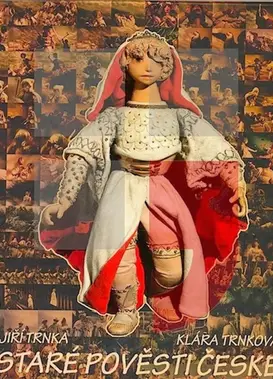
捷克古老传说
类型:暂无 上映:1953Excellent stop-motion animation film from one of the best Czech filmmakers, Jirí Trnka. It tells the ancient story of Bohemia, how it was founded by Czech, the Forefather, and a series of legendary episodes of heroes, queens and kings, inspired in a book by Alois Jirásek compiling the Czech myths.
-
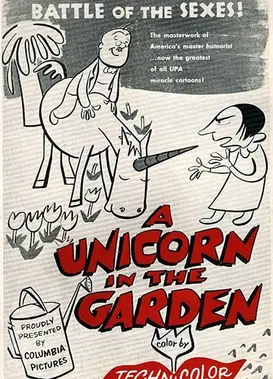
花园里的独角兽
类型:暂无 上映:1953-09-24 -
Little Johnny Jet
类型:暂无 上映:1953-04-18 -
団子兵衛捕物帖 開けーごまの巻
类型:暂无 上映:1952山賊が岩屋に盗品を隠すところを目撃した団子兵衛は、山賊の留守の間に、「開けー、ごますり、ごま」と岩の扉を開ける呪文をまねて、岩屋に潜り込んだ。そこで自分の家から盗まれた千両箱を発見。千両箱を持ち帰るのだが、それを知った盗賊たちが団子兵衛の家に押しかけてきて…。 『アラビアン・ナイト』の翻案。戦後の大藤作品には珍しい、久しぶりのギャグアニメーションである。